
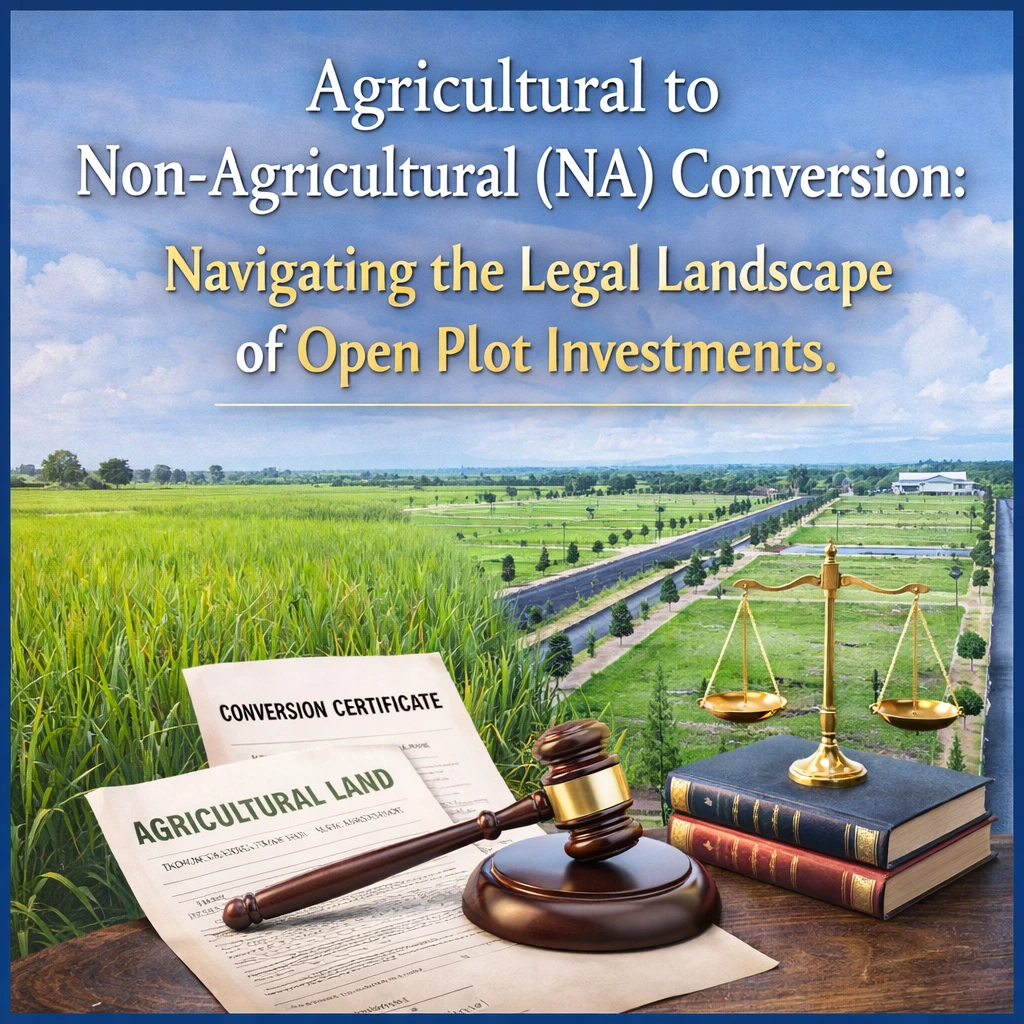
Open plot investments are becoming increasingly popular among buyers who are looking for long-term assets. However, one of the most important aspects that investors often overlook is the legal classification of the land. In India, land is broadly categorized based on its usage, and agricultural land cannot automatically be used for residential or commercial construction. If you are looking to invest in plots, understanding this classification is the first step toward a secure asset. This is where agricultural to non-agricultural (NA) conversion becomes important.
Why Land Classification Matters in Plot Investments
NA conversion is a legal process that changes the official use of land from farming purposes to residential, commercial, or industrial development. Understanding this process is essential for anyone considering land ownership because it directly impacts the legality and usability of the property. For those seeking land for sale in machilipatnam, verifying whether the conversion has been initiated or completed is vital to ensure the property can actually be developed for housing or business needs.
Understanding Agricultural Land Restrictions
Agricultural land is strictly for farming and related activities. Local land regulations typically restrict construction on such land unless the purpose remains agricultural. This means that building a house, commercial building, or any non-farming structure may not be legally permitted without proper conversion approval. For investors who purchase land without verifying its classification, this can create complications later. Even if the land appears suitable for construction, legal restrictions may prevent development until the conversion process is completed. Because of this, responsible plot developers ensure that the required approvals and documentation are completed before offering land for residential investment.
The Process of NA Conversion
The NA conversion process involves obtaining permission from the relevant local authorities to change the land use category. This process usually includes submitting necessary documents such as land ownership records, survey details, and development plans. Government authorities review these details to confirm that the land can safely support non-agricultural development. They may also evaluate factors such as access roads, nearby infrastructure, environmental impact, and compliance with regional planning guidelines. Once the approval is granted, the land is officially recognized as non-agricultural, allowing construction and development activities to take place legally.
Why Legal Clarity Protects Investors
For plot buyers, legal clarity is one of the most important factors in real estate investment. Land with proper NA conversion provides confidence that the property can be used for its intended purpose without future legal challenges. Clear documentation also makes it easier to obtain building approvals, apply for bank loans, or sell the property in the future. Buyers and financial institutions are more comfortable dealing with land that has a transparent legal status. When you choose to invest in real estate in vijayawada, focusing on properties with established legal clarity ensures that your capital is protected against regulatory hurdles.
Role of Planned Plot Developments
Modern plotted developments often handle the legal groundwork before presenting the project to buyers. This includes ensuring that land classification, approvals, and layout planning comply with local regulations. When developers complete the necessary legal steps in advance, buyers benefit from a smoother purchasing process. Instead of navigating complex legal procedures themselves, they can focus on evaluating the investment potential of the location and the quality of the development. This approach also helps maintain organized layouts, proper road planning, and regulated infrastructure within the community.
Protecting Long-Term Investment Value
Land investments are typically made with a long-term perspective. Buyers expect their property to either appreciate in value or serve as a future residential asset. However, this expectation can only be fulfilled when the land has clear legal status and proper approvals. NA conversion ensures that the land is officially recognized for development. This reduces uncertainty and allows investors to plan construction or resale without legal complications. Properties with clear land use permissions also tend to attract more buyers in the future, which strengthens resale value.
Importance of Due Diligence
Even though developers may complete the conversion process, investors should still verify documentation before making a purchase. Checking land records, approval certificates, and layout permissions ensures that the investment is legally secure. Consulting legal experts or property professionals can also help buyers understand the documentation involved in the transaction. This extra step adds a layer of protection and helps prevent misunderstandings later.
A Legal Foundation for Secure Land Ownership
Agricultural to non-agricultural conversion may seem like a technical legal process, but it plays a fundamental role in open plot investments. It determines whether land can legally support residential or commercial development. For investors, understanding this aspect helps avoid risk and ensures that their purchase aligns with long-term plans. Land that has successfully undergone NA conversion offers a stable legal foundation, making it easier to build, hold, or sell in the future.